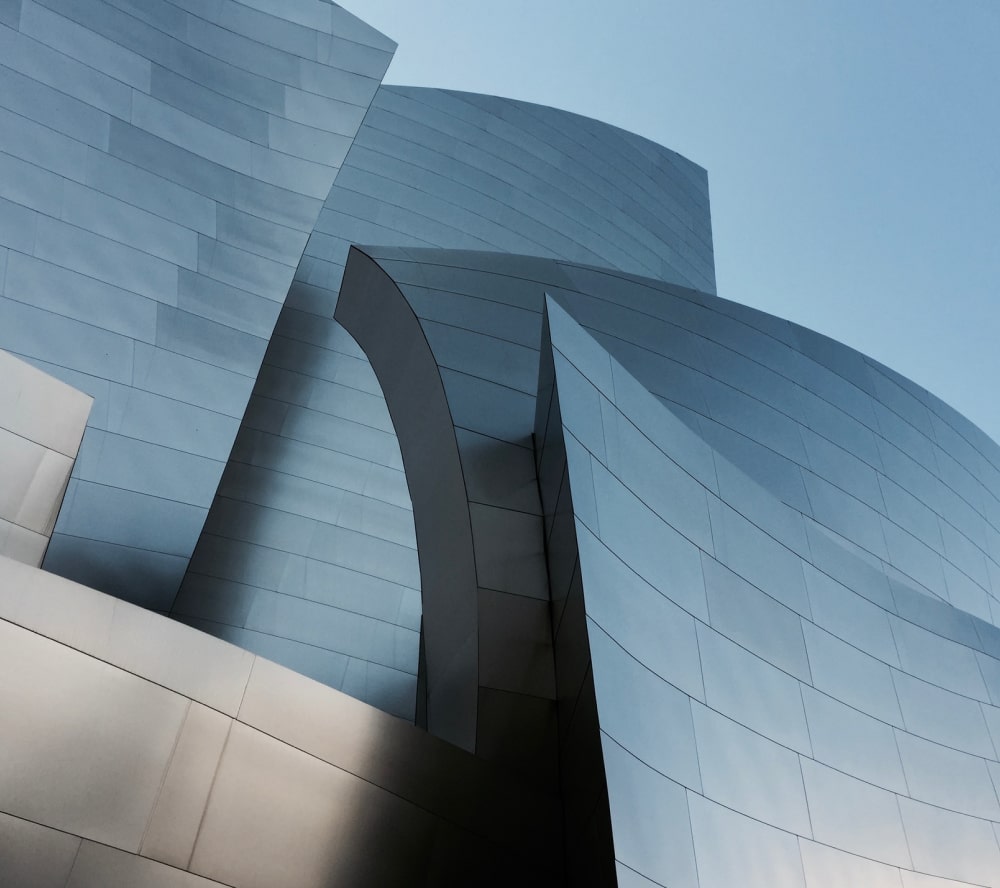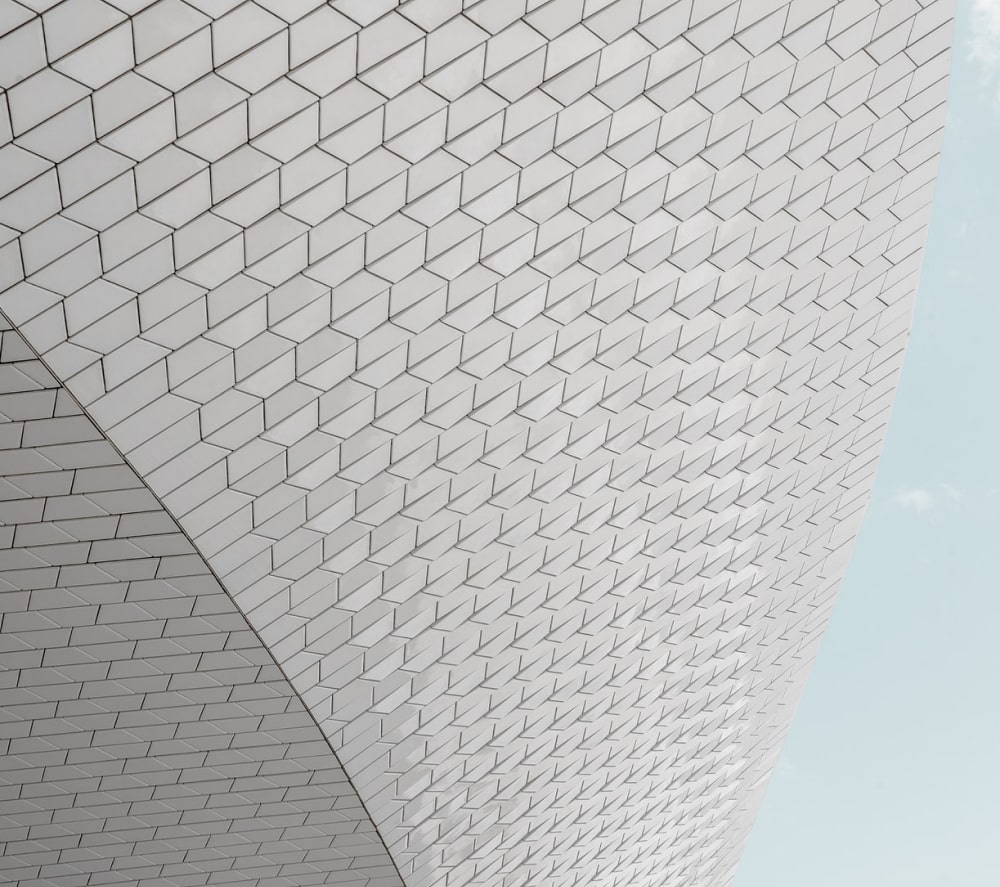
Charles Correa stands as one of India's most influential architects, whose work perfectly embodied the philosophy of "organic architecture" adapted to Indian context. Over a career spanning five decades, he created buildings that harmonized with India's climate, culture, and spiritual traditions while embracing modernity.
Kanchanjunga Apartments: Vertical Living Redefined
Perhaps no structure better exemplifies Correa's genius than the Kanchanjunga Apartments in Mumbai. Completed in 1983, these luxury apartments feature deep verandas and double-height terraces that serve as "open-to-sky" spaces—drawing inspiration from traditional Indian bungalows while solving the challenges of high-density urban living.
The Open-to-Sky Concept
Correa's signature contribution to Indian architecture was his "open-to-sky" concept. Drawing from ancient Indian courtyard houses, he created spaces that connected inhabitants with the sky and seasons. The Gandhi Memorial Museum in Ahmedabad exemplifies this, with its modular brick construction creating intimate courtyards that filter light and air naturally.
Bharat Bhavan: Cultural Hub
The Bharat Bhavan in Bhopal represents Correa's vision for cultural architecture. Built into a hillside with terraced gardens and water bodies, this multi-arts complex seamlessly integrates with its natural surroundings. Its series of interconnected spaces encourages exploration and spontaneous cultural encounters, much like traditional Indian temple complexes.
Relevance Today
As India faces rapid urbanization and climate challenges, Correa's principles feel more relevant than ever. His emphasis on natural ventilation, local materials, and climate-responsive design offers valuable lessons for sustainable Indian architecture. His work proves that modern design can be both globally relevant and deeply Indian.